



Description
Keeping pace with the times
Birth date and destiny

A difficult birth leading to a fortunate old age is not a matter of praying to gods or Buddhas.
It is our thoughts, good or bad, that determine our destiny; only then can Heaven change it.
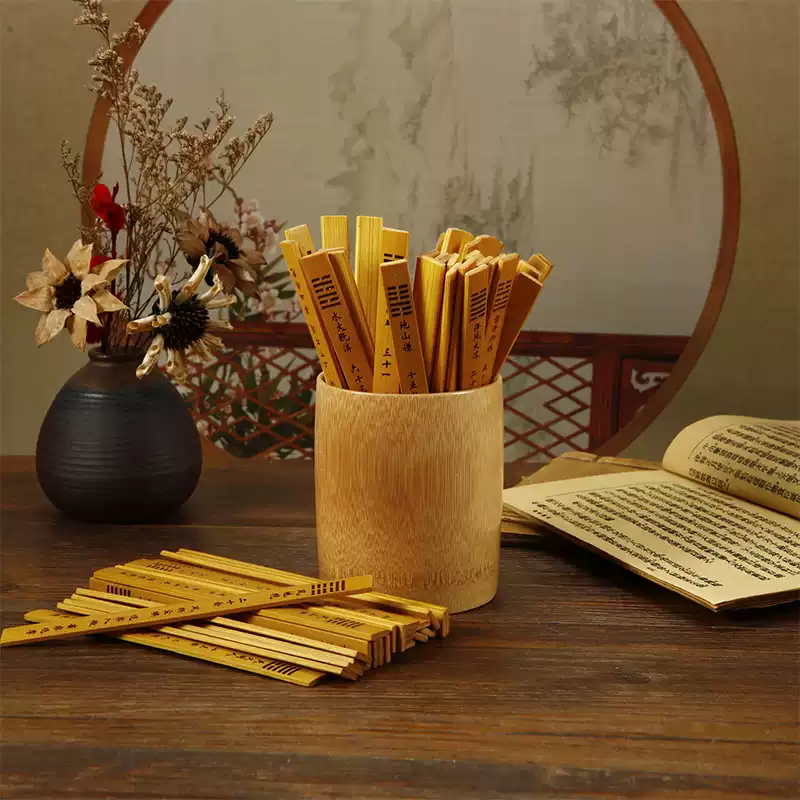
There’s a saying: “At birth, one’s destiny is determined by the eight characters of their birth chart.” This means that a person’s life trajectory is already set at the moment of birth. Traditionally, a person would have their birth chart (八字) written down for a newborn, and for a couple to get married, their birth charts would be matched. But what exactly is this “eight characters”? And does the time of birth truly influence the future?
The Principles of the Four Pillars of Destiny
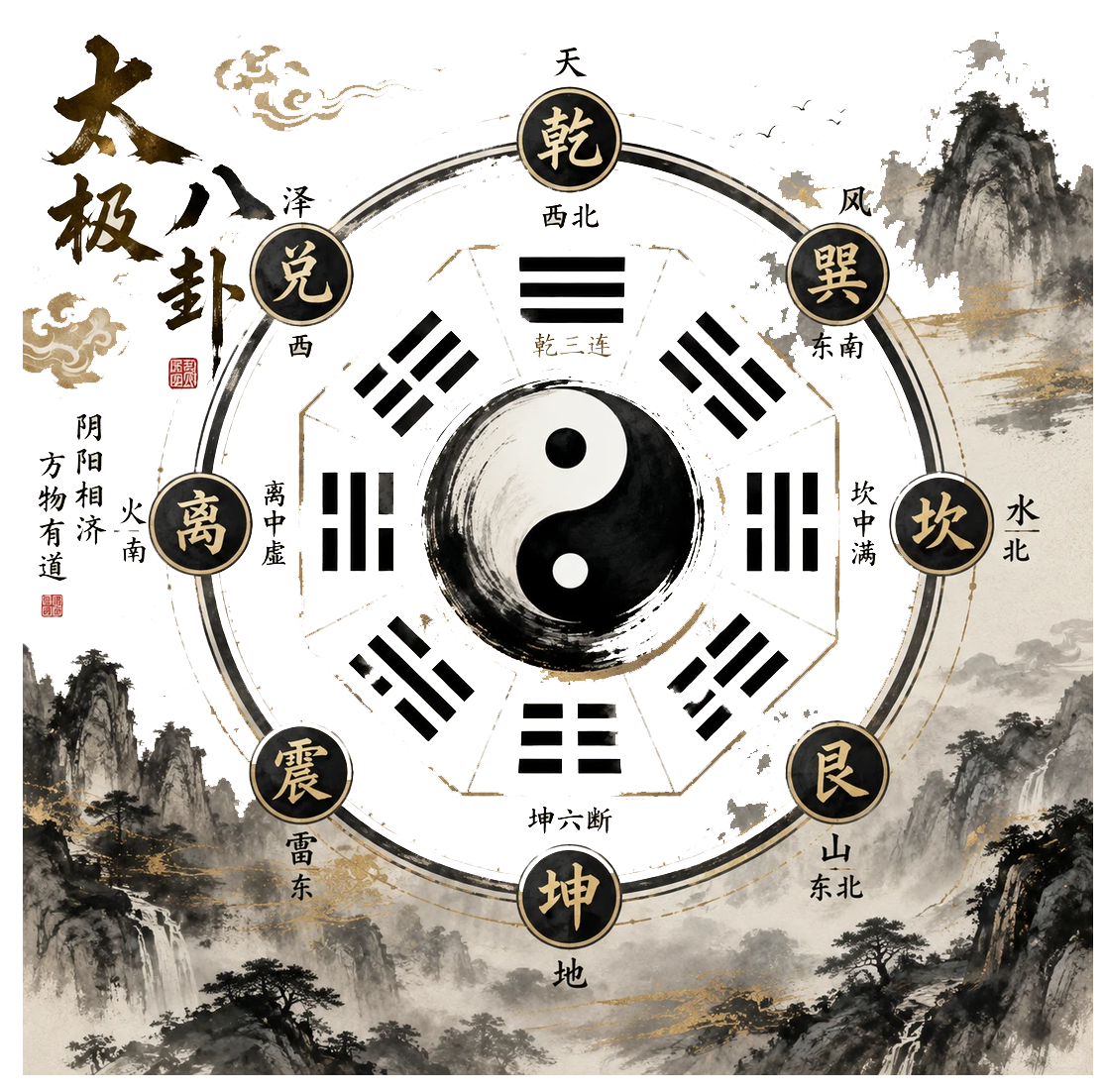
The year, month, day, and hour of our birth are called our “birth chart” or “Four Pillars of Destiny,” which is derived from characters drawn from the Heavenly Stems and Earthly Branches to represent our birth chart. For example, “Year of Jiazi, Month of Bingwu, Day of Xinchou, Hour of Renyin” consists of two characters in each pillar, totaling eight characters. The Heavenly Stems and Earthly Branches themselves record the positions of the sun and moon. Each character can also correspond to Yin and Yang, the Five Elements, and even represent people, animals, plants, and the natural environment. For example, “Jia” is Yang, belongs to the element of “wood,” represents the number “one,” and has connotations of high places, leadership, and large trees. Countless combinations can be created in this way, and so-called “fortune telling” is mostly the “arrangement result” of these things.
Historical Origins of the Four Pillars of Destiny
So when did this theory originate? It is generally admired that Wang Chong of the Eastern Han Dynasty proposed the “theory of innate qi”, which believes that the goodness, evil, wisdom and foolishness of human nature depend on the “qi” at the time of conception. In addition, he also discussed the relationship between the five elements and the twelve zodiac animals, which is similar to the theory of “food chain”.
During the Wei, Jin and Southern and Northern Dynasties, Ge Hong’s “Baopuzi” combined fate with the stars in the sky. Liu Xie of the Liang Dynasty also mentioned in “Wenxin Diaolong” that people’s fate is determined by the heavens and belongs to the stars. The response of intellectuals and the introduction of Western astrology laid the foundation for the concept of fate in the Tang Dynasty.
Li Xuzhong, an official of the Tang Dynasty, was a pivotal figure who carried on the traditions of his predecessors. Although he was not a professional fortune teller, he summarized the theories of his predecessors and established the “Six-Character Fortune Telling” method, which uses the Heavenly Stems and Earthly Branches to predict fate. Xu Ziping of the Five Dynasties period evolved this method into the “Four Pillars of Destiny” method, which is still widely used today.
New BaZi for a Better Life
In fact, the Eight Characters (Ba Zi) is indeed a set of wisdom from our ancestors, combining logic, statistics, and life experience. However, we should not be obsessed with it, lest we lose the possibility of happiness. Furthermore, as times change, the definition of destiny should also “evolve with the times.” Modern people have many new resources and new ideas, so we should believe that we have the power to change our destiny and create the future.
Master Xuan Kong, the spiritual mentor of Xingtian Temple, teaches us that destiny is guided by the heart, not determined by external factors. Therefore, the new “Eight Characters” should be: ” Fortune is created by the heart, misfortune is caused by oneself. ” As long as we use these eight characters as spiritual guidelines for cultivating virtue and shaping our destiny, and give full play to our “goodness” and “conscience,” we will naturally be able to distinguish right from wrong, and be vigilant to avoid harming ourselves or others. In addition, we should constantly examine our thoughts, cleanse our hearts, and practice self-discipline and benefit others, so that our words and deeds can have a positive impact on society. We can begin to practice by ” reading good books, speaking good words, doing good deeds, and being a good person, ” and step by step move towards a “good destiny.” We believe that we will surely live a peaceful and carefree life, finding contentment in everything we do.
King and Queen Bee |
|---|
|
Legend has it that Zhu Yuanzhang, the founding emperor of the Ming Dynasty, believed in fate. In order to consolidate his throne, he began to think of eliminating people whose birth dates were the same as his own. Soon, the soldiers brought in an unremarkable beekeeper. Upon seeing this, Zhu Yuanzhang relaxed a little. Seeing the beekeeper’s generous attitude, he was pleased with himself, thinking that he was indeed worthy of being born on the same day as him. Zhu Yuanzhang jokingly asked his prime minister Liu Bowen, “Didn’t you say that one’s fate can be determined by the eight characters of birth?” Liu Bowen calmly replied, “He is the queen bee, managing thirteen beehives, over eight hundred hives, and thirty million bees; while the emperor is the ruler, governing thirteen provinces, over eight hundred prefectures and counties, and thirty million people. The numbers match perfectly!” This statement not only absolved him of the fault of “not being sure,” but the comparison in his words also greatly pleased Zhu Yuanzhang, dispelling all his doubts. He even rewarded the beekeeper handsomely and let him return home safely. |

Reviews
There are no reviews yet.